VIBRANTNEO 2040

A VISION AND FRAMEWORK FOR THE FUTURE OF NORTHEAST OHIO

Slide Slide VIBRANT NEO 2040 A Vision and Framework for the Future of Northeast Ohio

FULL REPORT NOW AVAILABLE

WATCH VIBRANT NEO: A VISION AND FRAMEWORK FOR THE FUTURE OF NORTHEAST OHIO
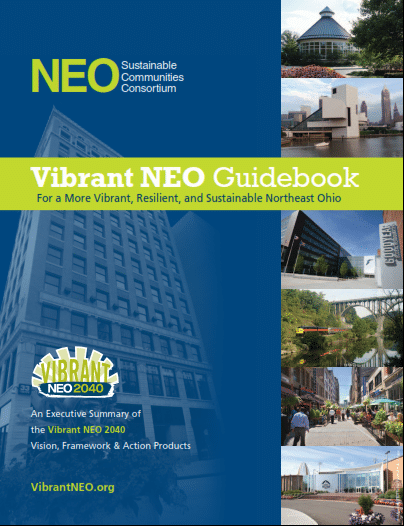
THE VIBRANT NEO GUIDEBOOK

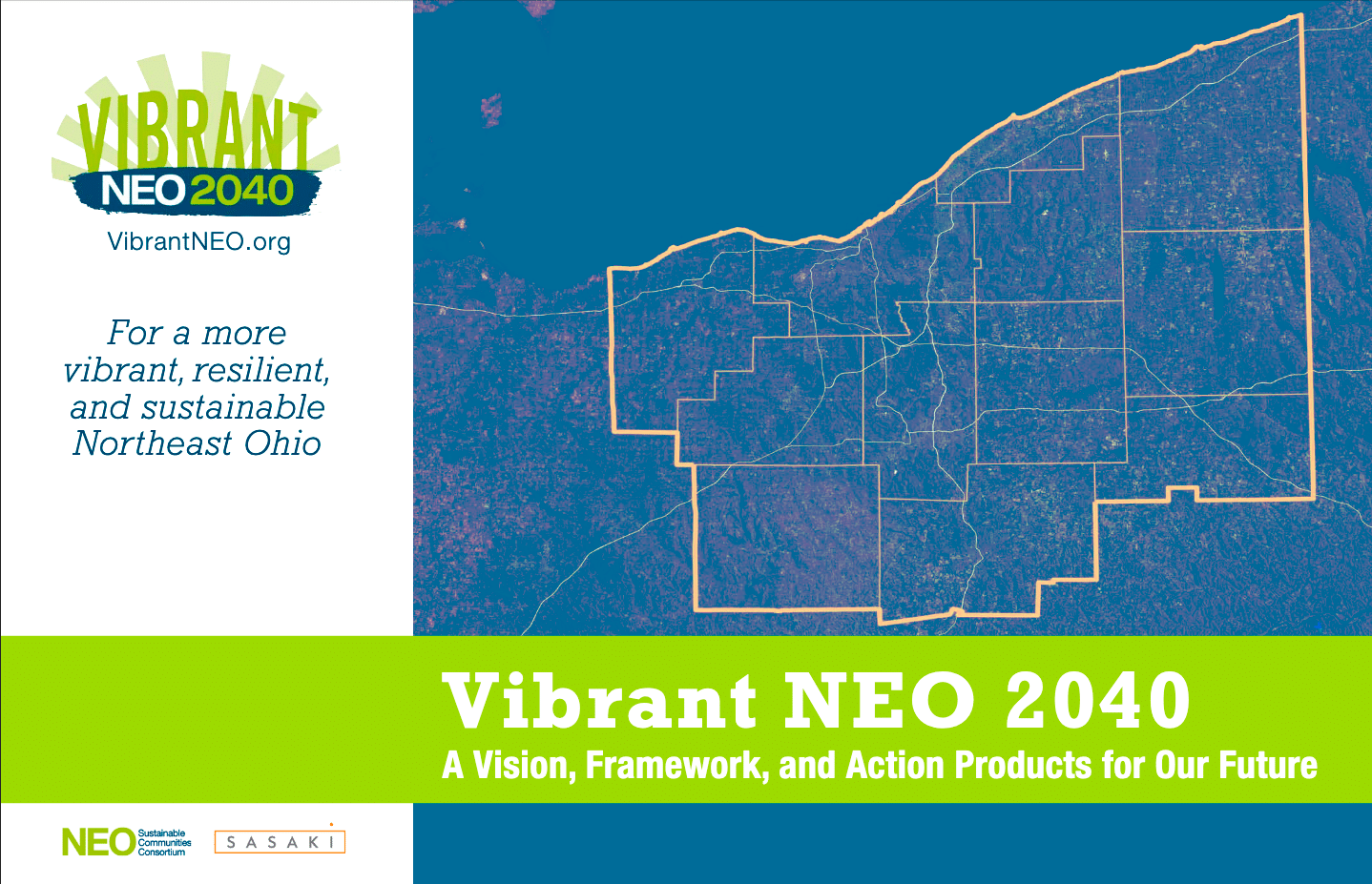
We have developed an executive summary of the Vision, Framework and Action Products. The Vibrant NEO Guidebook describes the Process, Objectives, Recommendations, Priority Initiatives and Indicators.  The document include maps of each of the major vision themes and summaries of the Action Products.
LATEST NEWS FROM THE BLOG
05 Apr: Now More Than Ever: Regional Collaboration During Covid and Beyond

The coronavirus pandemic has forced us all to do more with less as government revenues have been reduced. Even before the pandemic though, Northeast Ohio was struggling with declining population and aging infrastructure. With current trends as of 2010, Vibrant NEO predicted that all 12 counties of Northeast Ohio would be in a worse fiscal position by 2040, with expenses exceeding revenues. To keep this from happening, one of the four key Vibrant NEO themes is “promoting collaboration and efficiency”. Working across political boundaries can help reduce costs, stabilize budgets, and improve quality of life. On April 1st, 2021, Vibrant NEO hosted a panel discussion with four elected officials, learn how they are doing just that. Bringing their years of insight were: Robert A. Fiala, Willoughby Mayor and Safety Director Jim Hockaday, Conneaut City Manager Dennis Morley, Eastlake Mayor and Safety Director Rich Regovich, Willowick Mayor and Safety Director Michelle…

14 Jan: Vibrant NEO 2040 County Reports

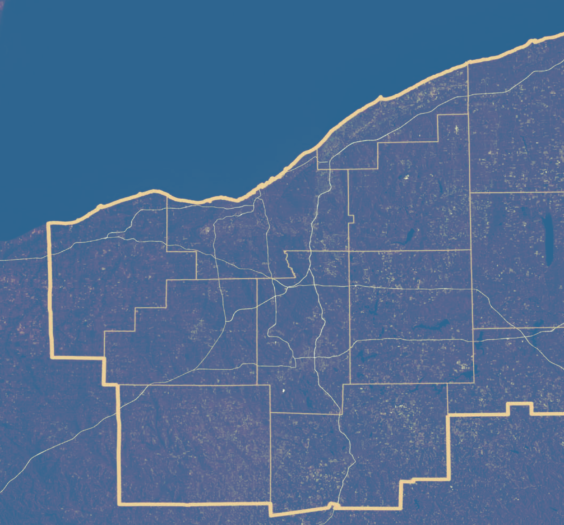
In 2010, leaders representing a 12-county region of Northeast Ohio recognized that our communities’ futures are intertwined and concluded that the region could be more successful if we work together to anticipate, prepare for, and build our future. The Northeast Ohio Sustainable Communities Consortium (NEOSCC) was created to determine how to achieve this goal. NEOSCC’s assignment was not to “plan” the future of Northeast Ohio—those are decisions for the leaders and residents of Northeast Ohio’s communities to make. In broad terms, NEOSCC was created to answer three questions: What course is northeast Ohio on? What future does northeast Ohio want for itself? How do we make that future a reality? Over a three year period, each of the 12-counties participating in the NEOSCC effort collected extensive amounts of data, prepared maps and conducted public engagement. The county-level data was then aggregated into a regional framework report, Vibrant NEO 2040 –…

23 Apr: APA Awards Vibrant NEO the Daniel Burnham Award

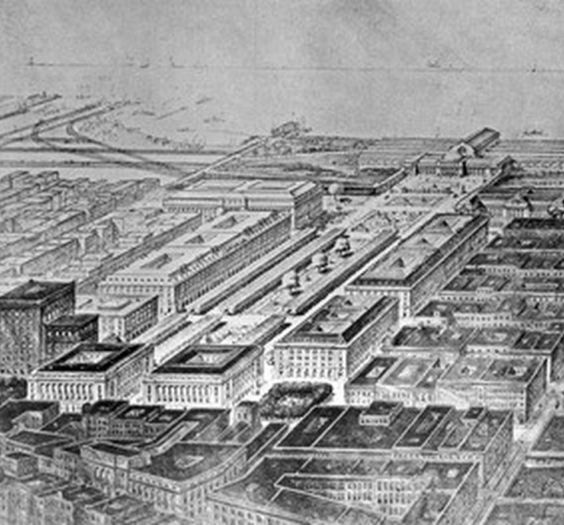
Northeast Ohio’s biggest regional planning effort in a half-century has won the planning profession’s top award for a comprehensive plan. Vibrant NEO 2040, the product of three years’ work by the nonprofit Northeast Ohio Sustainable Communities Consortium, has been awarded the 2015 Daniel Burnham Award of the American Planning Association. “It feels terrific,” Grace Gallucci, director of NOACA, the Northeast Ohio Areawide Coordinating Agency and one of the plan’s lead organizers, said about the award. “I think it helps to validate the work that NEOSCC did over the last three years . . . to say that it’s a good plan,” she said. The award is named for Chicago architect Daniel Burnham, who planned Chicago’s world-famous lakefront and also devised influential plans for other American cities, including Cleveland’s 1903 Group Plan. Gallucci said she hoped the award would add impetus to the implementation of the Vibrant NEO vision, which calls for focusing new…

27 Jan: AMATS Releases Mid-Block Crossing Analysis

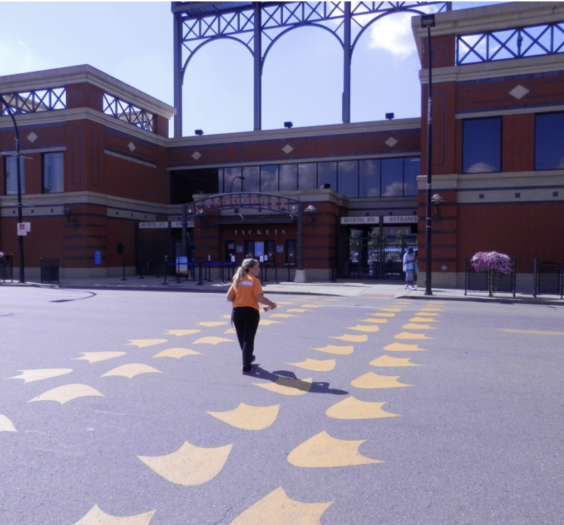
The Akron Metropolitan Area Transportation Study’s (AMATS) recently completed Mid-Block Crossing Analysis is a first-of-its kind effort by the agency to identify locations where mid-block pedestrian crossings are occurring or are likely to occur throughout the Greater Akron area.  By identifying these locations, area communities can determine where pedestrian safety improvements may be needed.   This analysis won’t be the last-of-its-kind either, according to AMATS officials.  It’s the first in a series of similar efforts to foster a new planning synergy for the region that combines new planning and design strategies for a single purpose: To improve the area’s quality of life.   Many of the locations identified in the analysis are informal crossing points at roads and streets that aren’t marked as crossings.  People prefer to cross illegally at these points rather than walk to the safety of the nearest available crosswalk.  Many do so with no problem while…

29 Jan: A Tool for the Snowy Weather

Wouldn’t it be nice to know what the roads are like before you leave your home? Now you can thanks to the people at the Ohio Department of Transportation. Buckeye Traffic (www.buckeyetraffic.org) provides Ohio travelers with up-to-date information on road conditions, traffic, construction, and other activity affecting roadways managed by The Ohio Department of Transportation (ODOT). Information provided by this site is updated frequently and comes from a variety of sources, such as pavement sensors and monitoring stations, traffic cameras, and through direct input by ODOT personnel. Whereas the information in this site is kept accurate and up-to-date as possible, Ohio travelers should refer to local and regional information outlets and agencies for the latest information during weather/disaster emergencies. This site is maintained by ODOT. What Can I do today? Act: Participate in the NEOSCC Fair Housing Survey Act: Learn about the Akron Zero Landfill event on February 2 Act:…

28 Jan: Peer Grantee Spotlight: From Brownfield to Mixed-Use

In the mid-19th century, industry flourished around the Morris Canal in Jersey City, New Jersey. As transportation technology improved, the canal was filled in and used as a corridor for freight rail and heavy trucks, which led to the establishment of more intensive industries and neighborhoods for workers in the area. By the mid-20th century, however, many industries had abandoned the city, leaving the areas near the canal with obsolete buildings, contaminated soil, and deteriorated neighborhoods. To address the neighborhood decline, Jersey City created the Canal Crossing Redevelopment Area and, in 2009, approved the Canal Crossing Redevelopment Plan. The plan calls for the 111-acre area to be redeveloped as a mixed-use, mixed-income, transit-oriented community designed in accordance with smart growth, new urbanism, and green building principles. The Jersey City Redevelopment Agency (JCRA) took a major step toward achieving the plan’s goals when it was awarded almost $2.3 million in a joint…

25 Jan: Cleveland Launches a Bike Share Study

Over the next 6 months, Cleveland’s Bike Share Task Force will be taking a look at the feasibility of bike sharing and reviewing recommended business models for operating a system in the city. Building off of recent momentum in cycling and complete and green streets, the Mayor’s Office of Sustainability issued a Request for Proposals in autumn 2012 and has contracted with Toole Design Group (TDG) as the lead consultant for this project. Bike Share Task Force: In anticipation of the feasibility study, the Bike Share Task Force formed to provide a platform to advise the project and to assist with stakeholder engagement. The Bike Share Task Force consists of representatives from many organizations who see the potential benefits of bike sharing in Cleveland: Mayor’s Office of Sustainability ClevelandCity Planning GreenCityBlueLake Institute Bike Cleveland Greater Cleveland Regional Transit Authority Cleveland City Planning Commission Positively Cleveland Midtown Cleveland Ohio City Inc. Downtown Cleveland Alliance/Cleveland Bike Rack…

NEOSCC and Vibrant NEO 2040 are largely funded by a highly competitive, first-of-its kind, $4.25M federal grant from the U.S. Department of Housing and Urban Development (HUD) as part of the Partnership for Sustainable Communities Initiative. The Sustainable Communities Initiative is an interagency collaboration among HUD, the U.S. Department of Transportation, and the U.S. Environmental Protection Agency.